
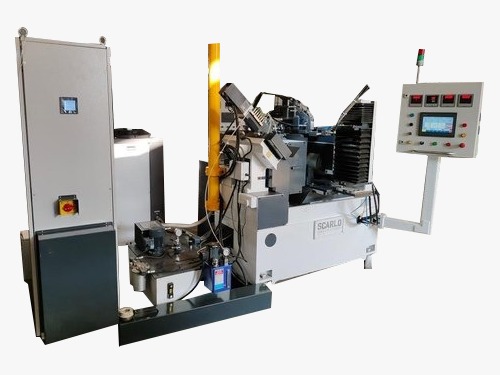
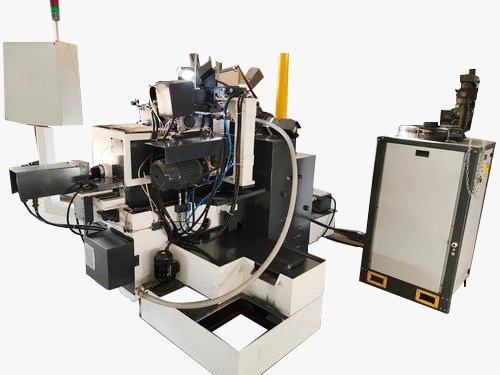
Grinding Wheel Peripheral Speed (Surface Speed)

Grinding Wheel Peripheral Speed (Surface Speed) — Formula, Safe Limits & Best Practices
Introduction
Grinding wheel peripheral speed (also called surface speed) is the linear speed at the wheel’s rim. It directly affects cutting action, heat generation, wheel wear, and surface finish. Setting the correct speed improves accuracy and productivity while protecting operators and machines from hazardous overspeed conditions.
Description
The peripheral speed V is calculated from wheel diameter D and spindle speed N. Use: V (m/s) = ? × D(m) × N ÷ 60. For metric shop-floor work: V (m/s) = (? × D(mm) × N) ÷ 60,000. Typical vitrified and resin-bond grinding wheels operate in the range of 25–45 m/s depending on bond, grit, application, and OEM recommendations. Always check the wheel label and machine manual for maximum operating speed (MOS) and never exceed it.
Applications and Benefits
| Applications | Benefits of Correct Peripheral Speed |
|---|---|
|
|
Key Know-How & Quick Calculations
- Formula: V (m/s) = ? × D(m) × N ÷ 60. Example: 400 mm wheel at 1800 rpm ? V ? (3.1416 × 0.4 × 1800) ÷ 60 ? 37.7 m/s.
- RPM from Target V: N (rpm) = (60 × V) ÷ (? × D). For 35 m/s with 355 mm wheel ? N ? (60 × 35) ÷ (3.1416 × 0.355) ? 1885 rpm.
- Typical Ranges (guide): Surface: 25–35 m/s; Cylindrical: 30–45 m/s; Centerless (grinding wheel): 35–45 m/s; Regulating wheel is much lower (10–30 m/s eq. surface vs. rpm choice).
- Safety: Never exceed MOS on the wheel blotter; verify machine nameplate, guarding, and balancing before raising speed.
- Dressing link: Higher wheel speed often needs finer dress to maintain sharp cutting points; adjust infeed & dressing ratio accordingly.
Where Peripheral Speed Control Matters Most
- Automotive & Bearings: Precision OD/ID grinding where burn or chatter must be eliminated.
- Aerospace & Tooling: Tight surface integrity requirements on heat-sensitive alloys and hardmetals.
- General Engineering: Centerless lines producing bars/pins requiring consistent cylindricity and finish.
Why Choose Us?
For teams standardizing grinding processes, our expertise helps you select proper wheel grades and set safe, productive peripheral speeds. We guide on machine capability, wheel balancing, dressing parameters, and process windows so you can boost throughput without compromising part integrity or safety.
Uses & Importance
Correct peripheral speed tunes chip formation and cutting temperature, enabling fast stock removal with minimal burns or micro-cracks. It also stabilizes wheel wear, reduces rework, and achieves repeatable Ra/Rz targets—critical for bearings, transmission parts, and precision shafts in volume production.
Quick Reference Examples
| Wheel Ø (mm) | RPM | Approx. V (m/s) |
|---|---|---|
| 300 | 1900 | ? 29.8 |
| 355 | 1885 | ? 35.0 |
| 400 | 1800 | ? 37.7 |
| 500 | 1700 | ? 44.5 |
FAQs
Conclusion
Peripheral speed is the master knob of grinding performance. By calculating it correctly and respecting wheel/MOS limits, you can unlock higher productivity, consistent finishes, and reliable process stability across centerless, cylindrical, and surface grinding operations.
Contact Details
Talk to our specialists today for tailored solutions and fast assistance.
+91 9825303532, +91 9099969410
C1-1, G.I.D.C. Estate, Opp. Ambica Nagar,Road No13, Odhav, Ahmedabad-382415, Gujarat, India
Filter Using Product Tags


