
Maximum Length For Infeed Grinding
Maximum Length For Infeed Grinding
Introduction
Infeed (plunge) centerless grinding is used to produce shoulders, steps, tapers, and profiles. Determining the maximum workable part length is essential for accuracy, cycle time, and wheel life. This guide explains the practical limits and variables—wheel width, shoulder clearance, blade support, and traverse stroke—so you can set safe, repeatable boundaries for production.
Description
The maximum length for infeed grinding is primarily constrained by the grinding wheel width and the machine’s available plunge/traverse, with additional limitations from dressing geometry, work-rest blade stability, part deflection, and required shoulder relief. In most setups, the usable infeed length is slightly less than wheel width to avoid corner loading and taper. Optimized setups balance wheel specification, blade geometry, and regulating-wheel control to achieve the longest stable length with accurate surface finish and size control.
Applications and Benefits
| Applications | Benefits |
|---|---|
|
|
Key Factors That Define Maximum Infeed Length
- Grinding wheel width (W): Practical infeed length is typically W minus 3–10 mm for corner clearance and coolant access.
- Dressing form & corner radius: Large chamfers/radii reduce the effective flat width; sharp corners increase loading risk.
- Work-rest blade span & overhang: Longer parts need proper support height (center-height setting) to limit deflection.
- Regulating wheel control: Inclination angle and speed/linearity influence axial stability during plunge.
- Machine stroke & guard clearance: Physical stops, flanges, and guards can limit full utilization of wheel width.
- Material & hardness: Tough alloys need lighter infeed per pass, effectively limiting usable length at a given cycle time.
- Coolant delivery: Proper nozzle aim and flow prevent burn across the full contact length.
- Thermal & geometric stability: Wheel wear, spark-out strategy, and dressing frequency cap consistent max length.
Typical Usable Length Ranges
- 150 mm wheel width: ~140–147 mm usable infeed length (allows 3–10 mm margin)
- 200 mm wheel width: ~188–196 mm usable infeed length (depending on dressing geometry)
- 250 mm wheel width: ~235–245 mm usable infeed length (with robust blade support and coolant)
Practical Setup Tips
To maximize infeed length with consistent accuracy: align the regulating wheel axis to minimize axial creep, set blade height slightly above center to promote roundness, use a wheel spec that balances form-holding with stock removal, and leave a modest unground relief near shoulders during roughing before a finish spark-out. Validate with gauge studies across the full contact width and adjust dressing to restore a flat, true face.
Manufacturer & Supplier Information
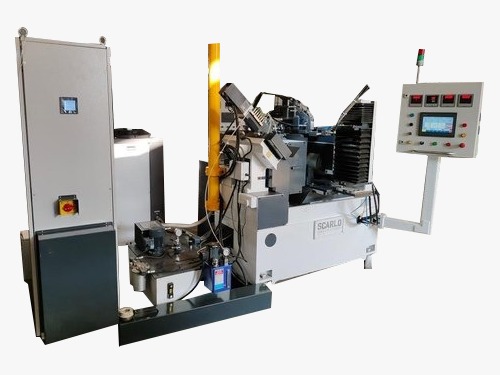
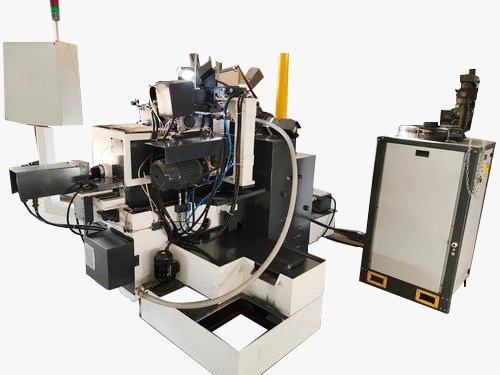
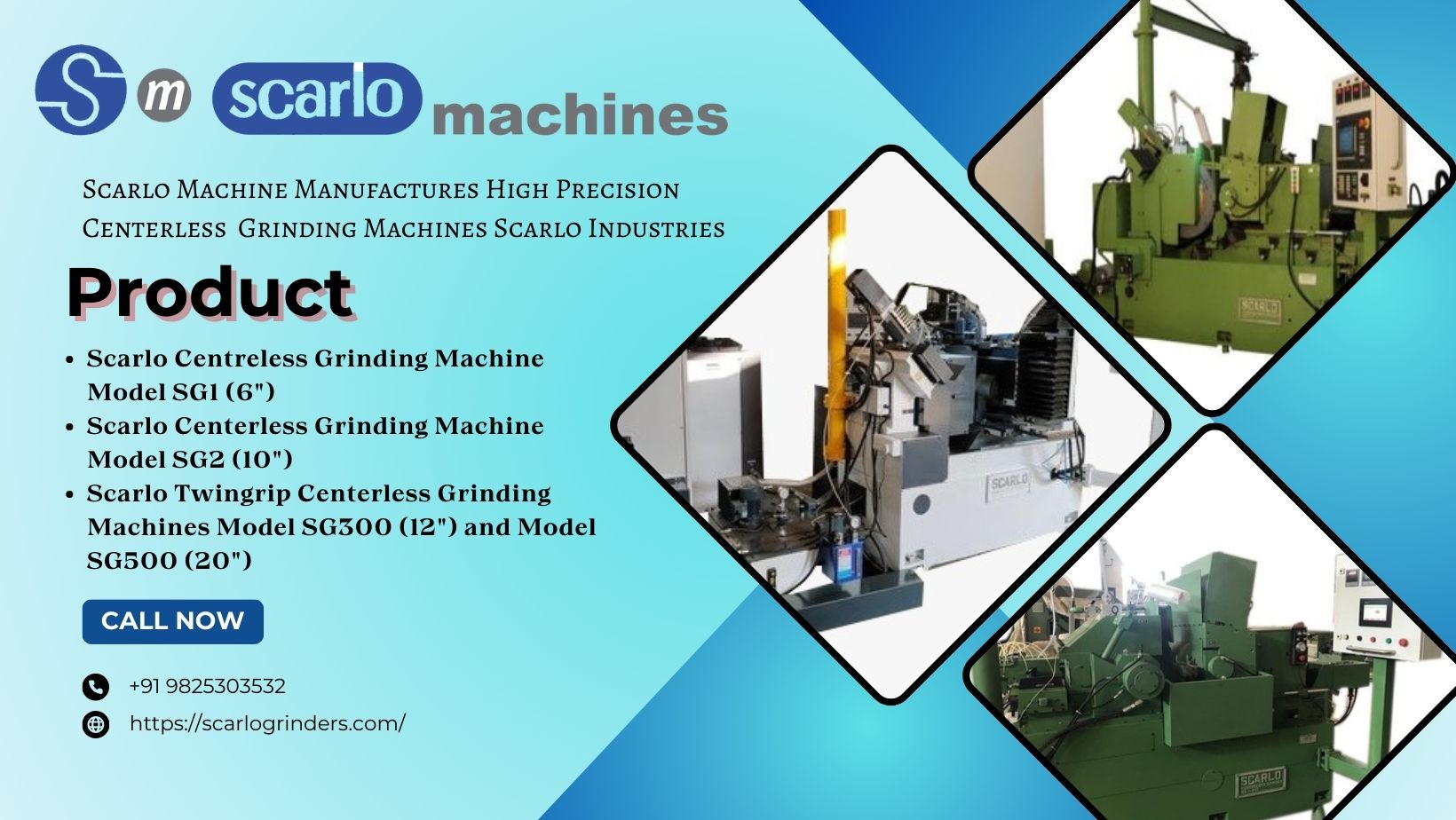
Scarlo Machines manufactures centerless grinding solutions suited for short, medium, and long infeed features. We help define the right wheel width, blade geometry, and dressing strategy to achieve the maximum safe infeed length for your parts while maintaining roundness, size, and finish. Reach out for application engineering and trials.
FAQs
Conclusion
The maximum length for infeed grinding is a function of wheel width, dressing geometry, support rigidity, and thermal stability—not a single fixed number. By planning clearance, optimizing blade and regulating settings, and maintaining a flat wheel face, you can safely utilize most of the wheel width with consistent quality and cycle time.
Contact Details
Talk to our specialists today for tailored solutions and fast assistance.
+91 9825303532, +91 9099969410
C1-1, G.I.D.C. Estate, Opp. Ambica Nagar,Road No13, Odhav, Ahmedabad-382415, Gujarat, India
Filter Using Product Tags


