
Grinding Wheel Size (OD × WD × ID)
Grinding Wheel Size (OD × WD × ID)
Introduction
Understanding grinding wheel size is essential for safe setup, optimal material removal, and accurate finishes. The three critical dimensions are OD (Outside Diameter), WD (Wheel Width), and ID (Bore/Inside Diameter). Correctly matching OD×WD×ID with your machine’s spindle, guard and work requirements improves stability, reduces dressing frequency, and ensures consistent surface finish in cylindrical, centerless and surface grinding applications.
Description
This page explains how to read and select a grinding wheel size in the format OD × WD × ID. OD defines peripheral speed and life, WD supports contact area and rigidity, and ID must precisely match spindle or adapter. Selection must consider machine horsepower, wheel speed (SFPM/m·s), workpiece material, required Ra, infeed method, and coolant delivery. Use the quick chart and FAQs below to choose a safe, productive size for your operation.
Applications and Benefits
| Applications | Benefits |
|---|---|
|
|
Typical Size Guide (OD × WD × ID)
Common Industrial Combinations
- 200 × 20 × 31.75 mm — Toolroom/bench work, light surface/cylindrical jobs
- 300 × 25 × 127 mm — General purpose surface grinding with moderate infeed
- 350 × 40 × 127 mm — Production surface/cylindrical grinding, better thermal stability
- 400 × 50 × 203.2 mm — Centerless regulating/grinding wheels for medium bars
- 455 × 205 × 228.6 mm — Heavy-duty centerless (through-feed) bar grinding
- 600 × 63 × 304.8 mm — High stock removal on rigid production machines
Where Wheel Size Matters
- Centerless Machines: Larger OD and WD enhance roundness on long bars and reduce vibration; ID must match wheel spindle/adapter exactly.
- Surface Grinders: OD dictates safe RPM and SFPM; a wider WD distributes heat on broad contact areas for flatter parts.
- Cylindrical Grinders: OD impacts dwell and spark-out time, while WD supports profile integrity during plunge operations.
Selection Tips
Choose the largest OD your guard and machine allow for stable cutting at rated RPM. Match ID precisely to spindle/adaptor (avoid loose fits). Start with WD that covers the contact width plus 3–5 mm for rigidity. Confirm wheel speed limits (marked on the wheel), balance before use, and dress with appropriate parameters to open the grain for your material (ferrous vs. non-ferrous).
Uses & Importance
Correct OD × WD × ID selection directly affects surface finish, cycle time and wheel wear. A wheel that is too small overheats and loads; one that is too wide can increase power draw and deflect the setup. Matching size to process keeps forces predictable, improves geometric accuracy (roundness, flatness, cylindricity) and reduces rework.
Manufacturer & Supplier Information
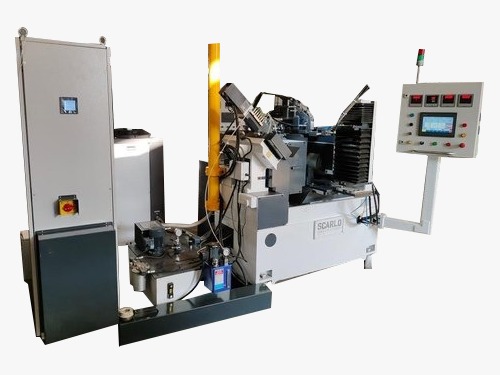
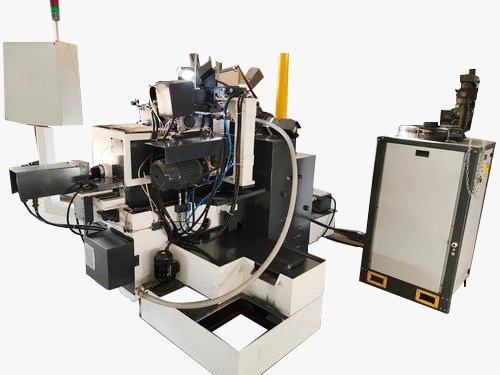
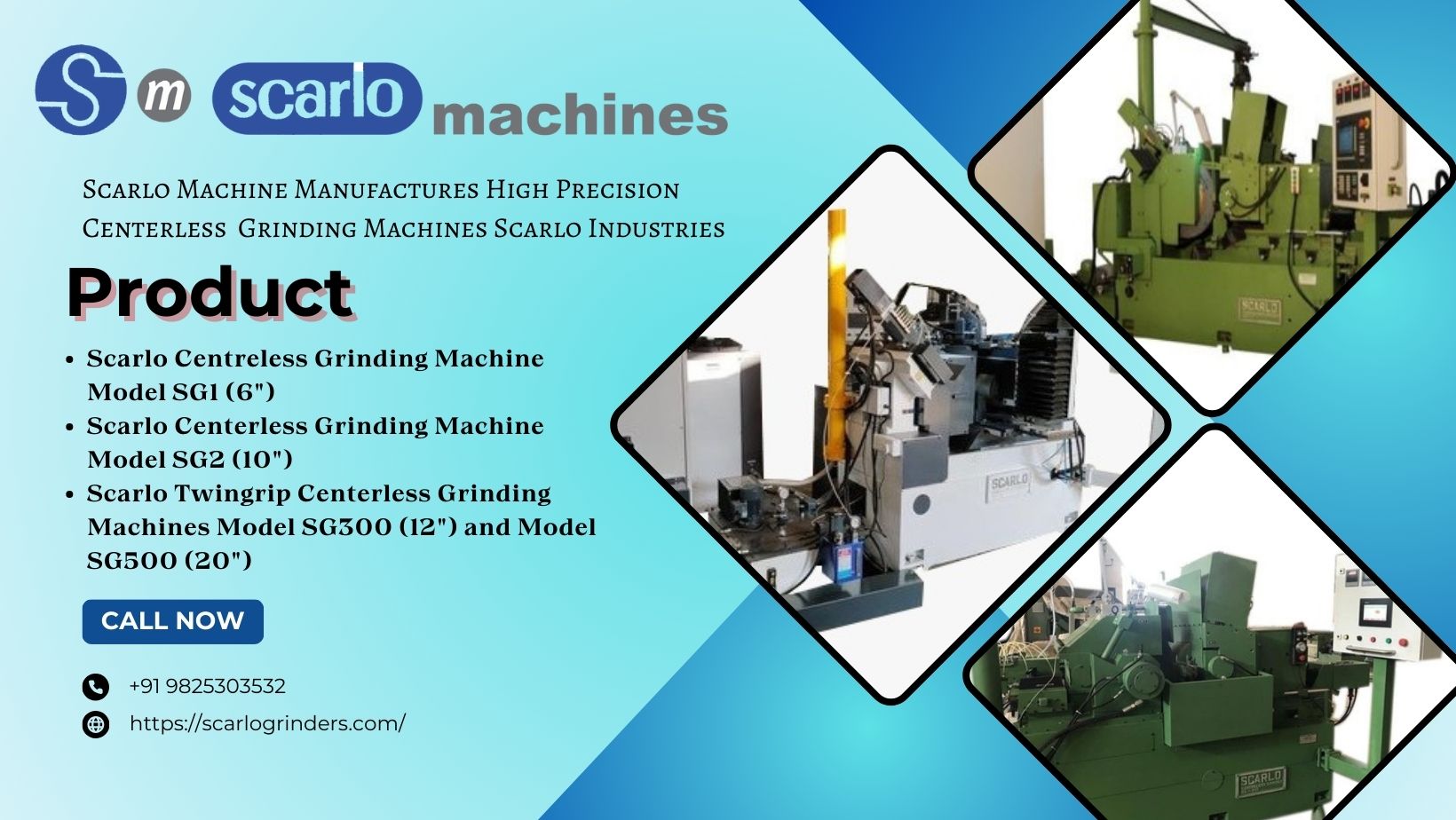
Scarlo Machines supports customers in specifying Grinding Wheel Size (OD × WD × ID) for centerless and cylindrical processes. With decades of grinding expertise, we help align wheel size with machine capability, dresser type, and production targets—backed by reliable service, training and nationwide support.
FAQs
Conclusion
Selecting the right Grinding Wheel Size (OD × WD × ID) is the foundation of productive and safe grinding. Match OD to speed and life, WD to rigidity and contact, and ID to a precise spindle fit. For help choosing sizes for centerless or cylindrical applications, connect with our experts.
Contact Details
Talk to our specialists today for tailored solutions and fast assistance.
+91 9825303532, +91 9099969410
C1-1, G.I.D.C. Estate, Opp. Ambica Nagar,Road No13, Odhav, Ahmedabad-382415, Gujarat, India
Filter Using Product Tags


